STEM Ag Kits
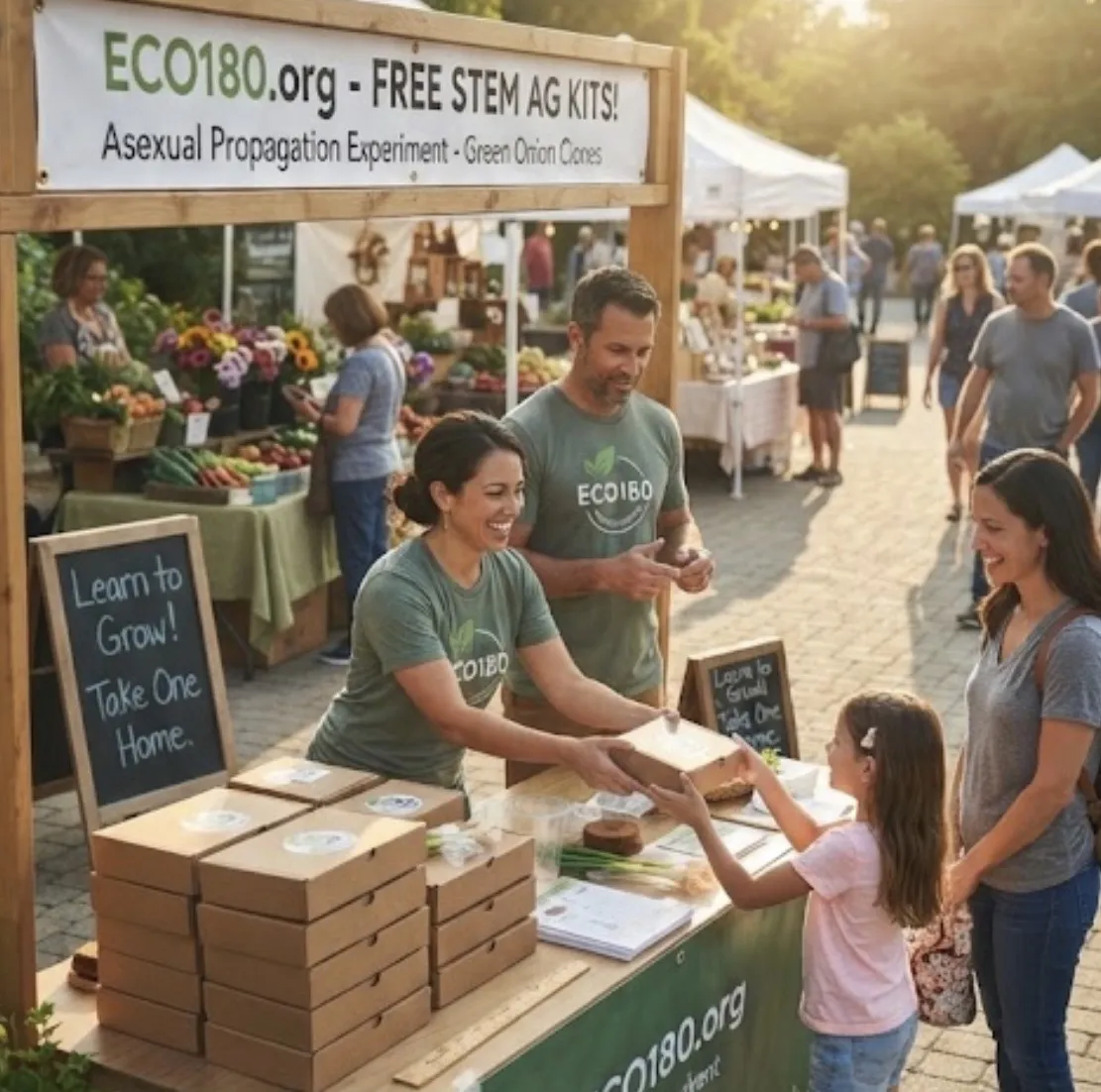
Sponsor-funded. Free to participating youth.Hands-on aquaponics and plant propagation bring agricultural science into classrooms, homes, and community events.
Explore STEM Ag Kits →ECO 180 connects hands-on agricultural education, smart farming, and community stewardship—helping people understand food, water, technology, and the world around them.
Based in South Carolina. Welcoming educators, supporters, and partners wherever the mission connects us.
ECO 180 connects aquaponics, smart farming, environmental education, and community action. A small kit introduces the science; sensors and data deepen the questions; people turn understanding into responsible choices.

The Rembert Living Agricultural Laboratory is in development, connecting these pathways in one farm-learning environment.
We connect agriculture, environmental education, and community action.
Hands-on aquaponics and plant propagation bring agricultural science into classrooms, homes, and community events.
Explore STEM Ag Kits →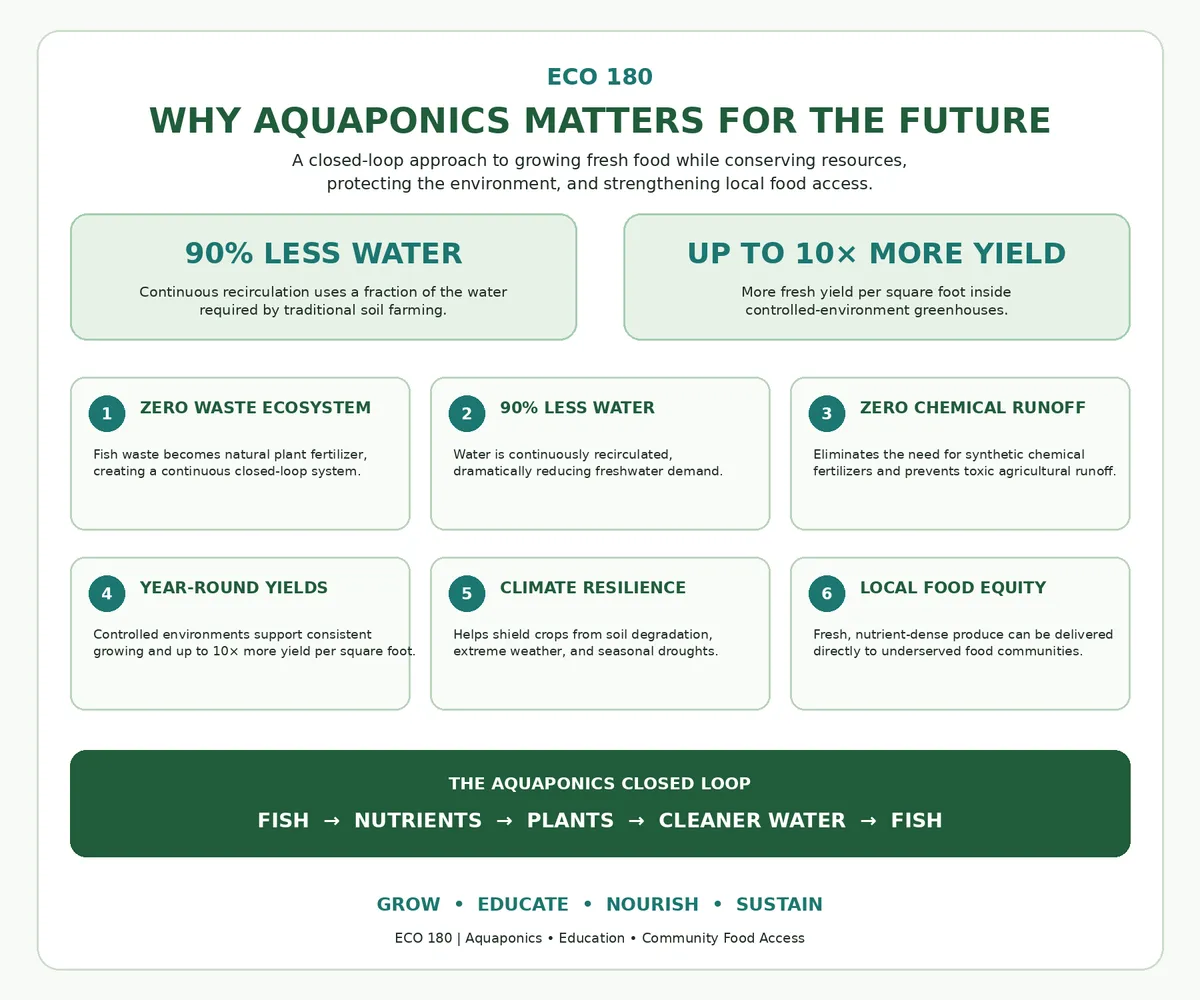
Help build a smart aquaponics learning hub connecting fish, plants, water science, sensors, and practical agricultural education.
Explore Living Agricultural Laboratory →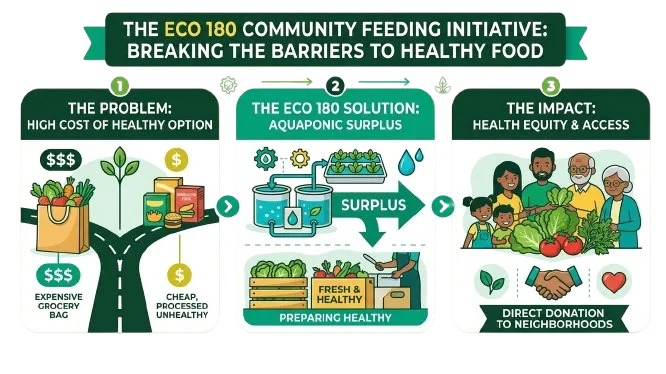
Connect sustainable agriculture with fresh-food access for families and community partners.
Explore Community Food Access →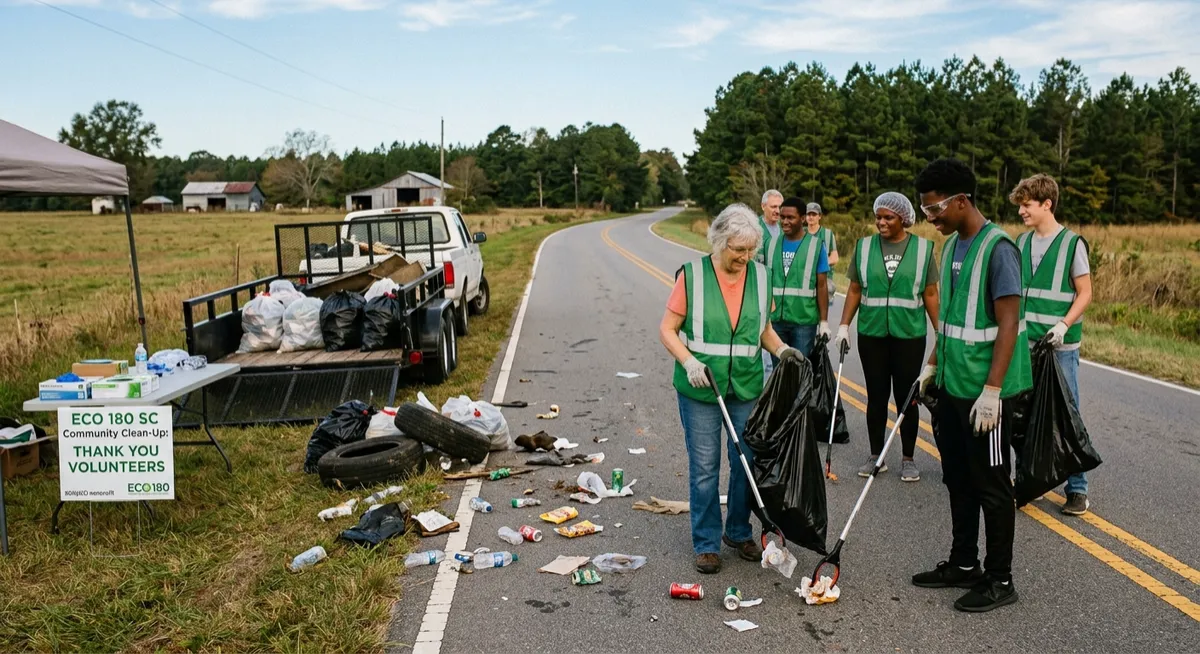
Report a site, request a group cleanup, volunteer, or contribute the equipment that helps restore shared spaces.
Explore Clean Community →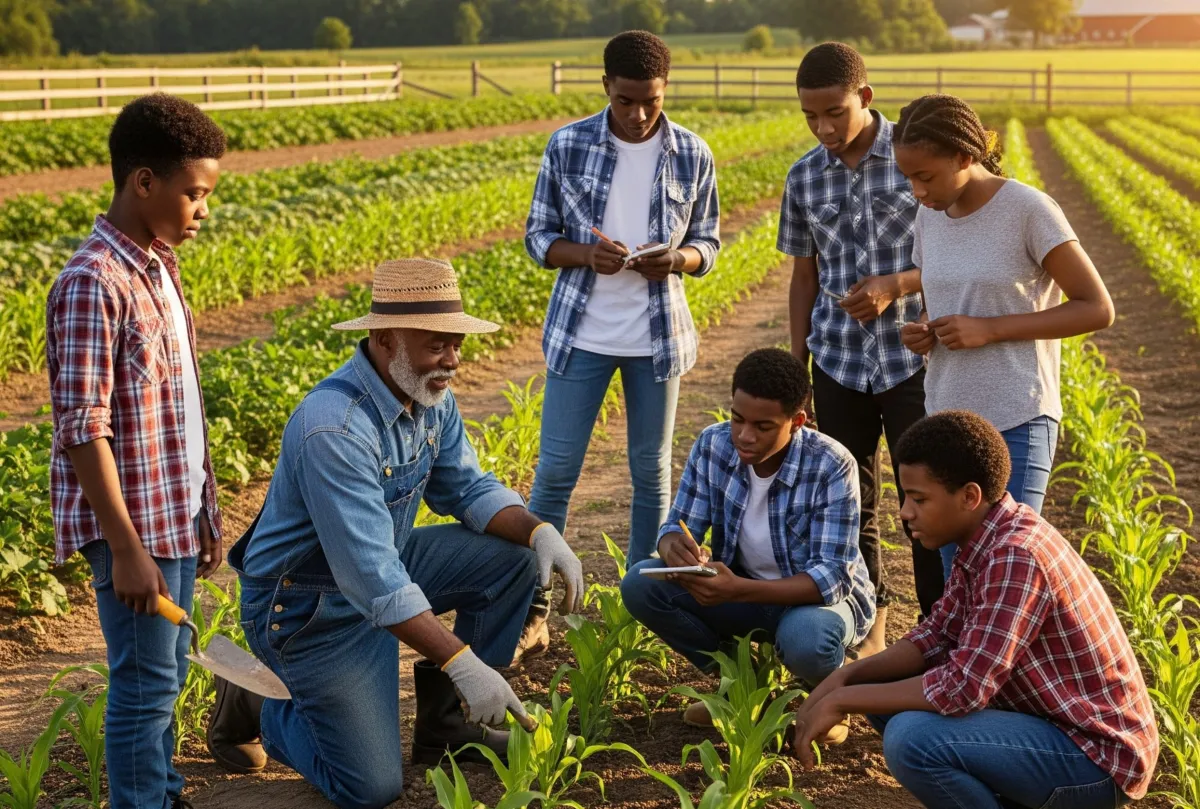
Green onion regrowth gives learners something real to observe. Younger children draw and compare; older students measure, graph, and investigate. The lesson grows into questions about water, food, technology, and care.
See how learning grows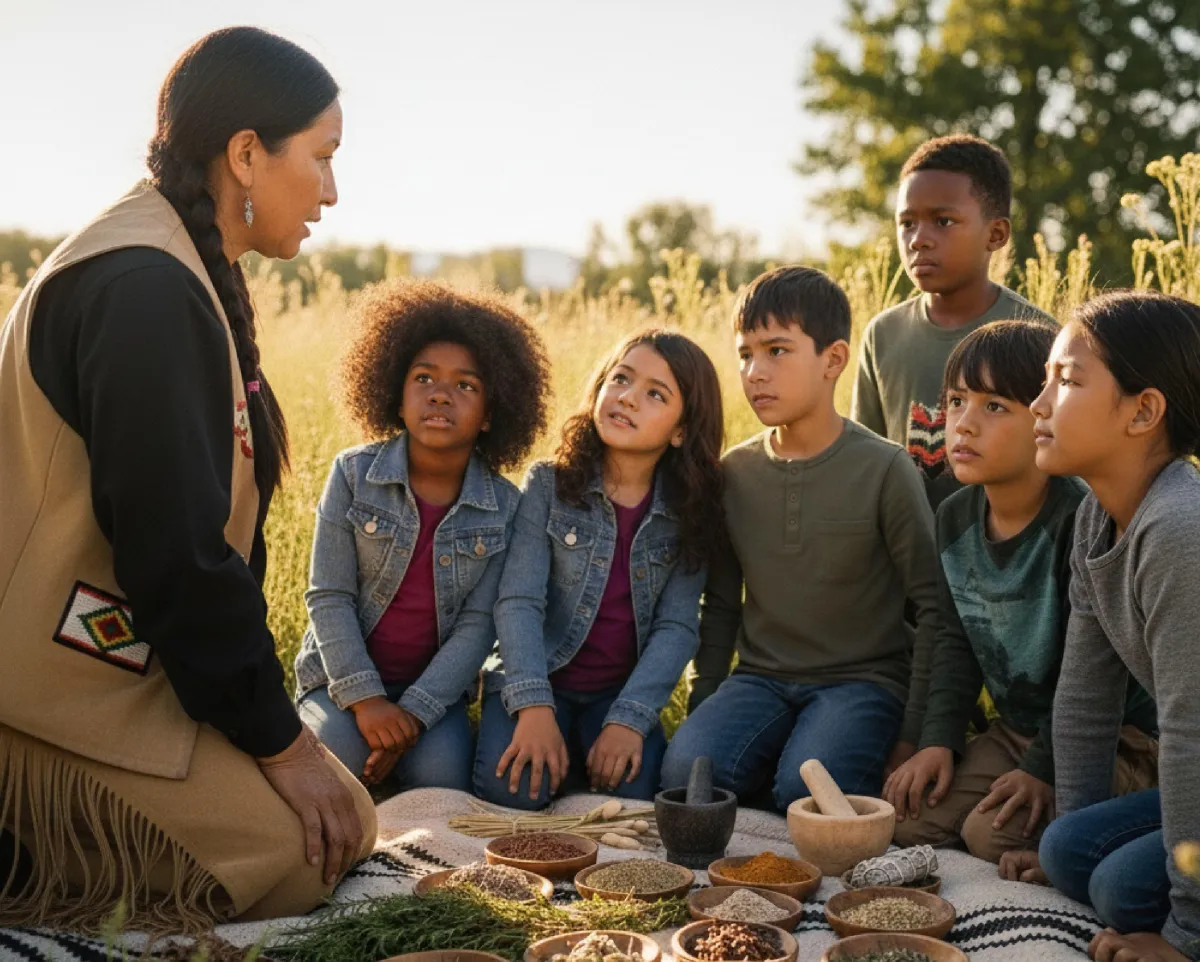
Have a specific purpose in mind? Talk with us about a designated gift or in-kind contribution.
Discuss your support →
ECO 180 bridges environmental science, high-tech agriculture, and everyday life—giving people practical tools to build more resilient communities.
By inspiring minority youth through agricultural STEAM learning and delivering Clean Community initiatives to underserved areas, we work toward more sustainable local food systems and statewide resilience.
“The climate crisis and social injustice are inextricably linked.”
— Jerome Foster II
Racial discrimination in environmental policymaking and enforcement can disproportionately expose communities of color to pollution, toxic waste sites, and other environmental hazards. Our work connects environmental learning with practical community action.
We promote youth involvement in agriculture using science, technology, engineering, arts, and mathematics. Hands-on learning helps address educational opportunity gaps and builds pathways into agricultural science.
Engaging youth supports the future of our food system, innovation, diversity, and food sovereignty. By investing in young people of color, we work toward a more inclusive agricultural landscape.
Community-led cleanup efforts restore neglected areas and address environmental hazards created by accumulated waste. Volunteers, equipment, and community support make the work possible.
A contribution of any size helps build the resources behind our mission. Give once, or ask our team about ongoing support.
Choose your contribution →Schools, homeschool families, and community programs can ask about kits and learning formats. Tell us where you are and who you serve.
Start a kit conversation →Materials, equipment, technical skills, and volunteer expertise can help move the mission forward.
Explore a practical partnership →We are developing the Rembert laboratory to connect controlled-environment agriculture, sensors, monitoring, and hands-on education.
Explore the development planThe planning campaign supports technical validation, site and utility readiness, permits and professional setup, and a protected acquisition reserve.
Talk about a partnershipConnect classroom curiosity with plants, water, and real-world learning.
Explore learning pathways →Bring funding, skills, technology, materials, or purchasing interest.
Find your partnership →Explore collaboration and the future of ECO 180 beyond our home base.
Start a conversation →South Carolina is our home base, with connections across the Upstate, Midlands, and Lowcountry. Educators, donors, and partners elsewhere are welcome to reach out. We discuss kit availability, shipping, and collaboration around your location and needs. Our developing Rembert program site will serve as a hub for hands-on agricultural education and community impact.
We welcome conversations about bringing ECO 180’s mission to your community, in South Carolina and beyond. use the request information form to discuss chapter interest, expectations, and next steps.
Ask about chapter developmentWe welcome collaborations that support our mission. use the request information form to explore a program or community partnership.
Discuss a partnershipProgram sponsorships, materials, skilled support, volunteers, and support for the developing Rembert site.
Explore ways to help